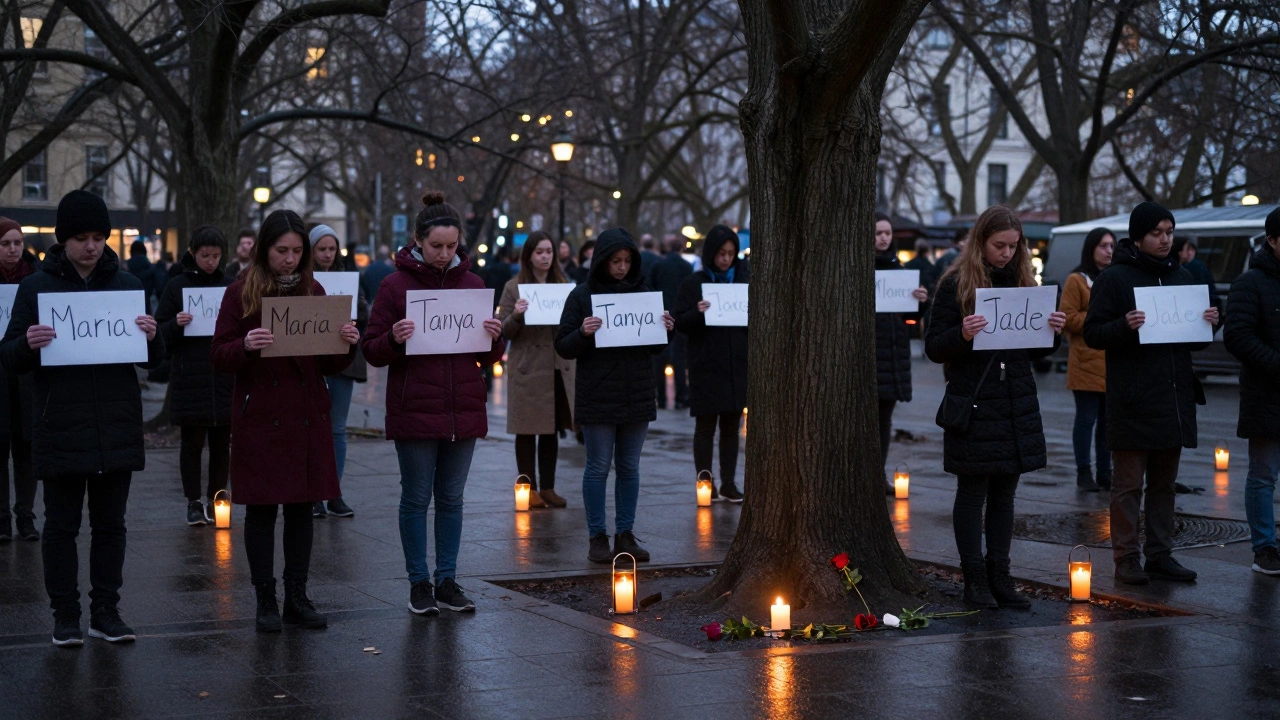
Every December 17, people around the world gather to remember sex workers who have been killed because of violence, stigma, or neglect. This is the International Day to End Violence against Sex Workers. It started in 2003 after the murder of 81 women in the United States - many of them sex workers - whose deaths were ignored by police and media. Today, it’s a global call to recognize that sex workers are human beings, not criminals, and that their lives deserve protection, dignity, and justice.
Some people still confuse sex work with trafficking or exploitation. But many sex workers choose this work to survive, support families, or gain independence. In the UK, for example, some women working as uk escort girl do so under conditions they’ve negotiated themselves - not forced or coerced. The problem isn’t the work itself, but the laws, stigma, and lack of legal protections that make it dangerous.
Why Violence Against Sex Workers Is So Common
Sex workers are 18 times more likely to be killed than other women, according to a 2021 study by the Global Network of Sex Work Projects. That’s not because they’re in risky jobs - it’s because society treats them as disposable. Police often don’t investigate their disappearances. Courts dismiss reports of assault. News outlets use dehumanizing language like "prostitute found dead" instead of naming them as mothers, daughters, or sisters.
When laws criminalize sex work - even partially - it pushes workers into hiding. They can’t report abuse without risking arrest. They can’t ask for help from neighbors or landlords. They can’t carry condoms without them being used as evidence against them in some countries. This isn’t about morality. It’s about survival.
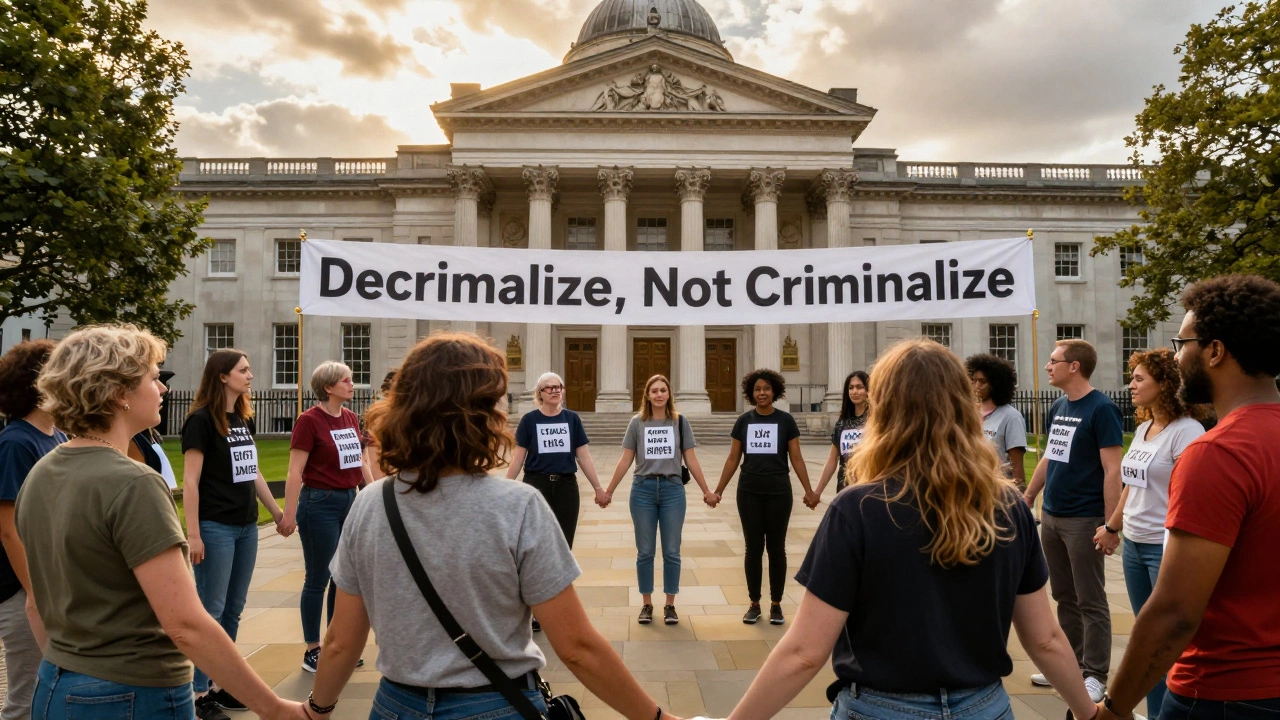
Decriminalization Works
New Zealand fully decriminalized sex work in 2003. Since then, violence against sex workers has dropped by 40%, and 90% of sex workers say they feel safer. They can now work in groups, screen clients legally, and call police without fear. Health services have improved. HIV rates have stayed low. The model proves that safety comes from rights, not punishment.
Compare that to the UK, where buying sex is legal but selling it isn’t - and operating a brothel is a crime. This creates a gray zone where sex workers are forced to work alone, in secret, and under pressure. They can’t hire security. They can’t rent safe spaces. They’re left vulnerable to predators who know the law won’t protect them.

The Role of Media and Public Perception
Media coverage often paints sex workers as victims without voices. Rarely do you hear directly from them. When you do, it’s usually in a sensational headline like "Escort girl in uk found dead in hotel" - no name, no story, no context. This erases their humanity.
Some outlets still use outdated terms like "hooker" or "call girl." Others link sex work to glamour, as if being a uk glamour girl escort means luxury and choice for everyone. That’s a dangerous myth. For every person who works part-time and earns well, there are ten others working under threat, debt, or addiction. The truth is messy. It doesn’t fit into a viral post.
What You Can Do
You don’t need to be a sex worker to help end violence against them. Here’s what actually works:
- Support organizations run by current and former sex workers - like SWOP or the English Collective of Prostitutes.
- Call out media that dehumanizes sex workers. Demand they use names, not labels.
- Advocate for decriminalization in your country. Not legalization - decriminalization. Legalization still imposes rules that trap people. Decriminalization removes criminal penalties entirely.
- Donate to shelters that serve sex workers without requiring sobriety or "rehab." Many are turned away from services because they’re still working.
- Don’t assume you know what’s best for them. Listen. Amplify their voices, not your opinions.
Remembering the Names
On December 17, vigils are held in cities from Toronto to Tokyo. People light candles and read out the names of those lost. In London, they read names like Maria, Tanya, and Lillian - women who worked as street-based sex workers, online escorts, or in massage parlors. Their deaths weren’t accidents. They were the result of systemic neglect.
One of them was 24-year-old Jade, who worked as a uk escort girl in Manchester. She reported a client who threatened her with a knife. Police told her to "be more careful." Two weeks later, she was found dead in her flat. No one was charged.
It’s Not About Politics - It’s About People
This day isn’t about whether you agree with sex work. It’s about whether you believe people deserve to live without fear. Whether you think someone should be killed for earning money on their own terms. Whether you think a mother who works to feed her kids should be treated like trash by the law.
Sex workers aren’t asking for special treatment. They’re asking for the same rights everyone else has: the right to safety, the right to justice, the right to be seen as human. If we can’t give them that, then we’re not building a fair society. We’re just pretending.